
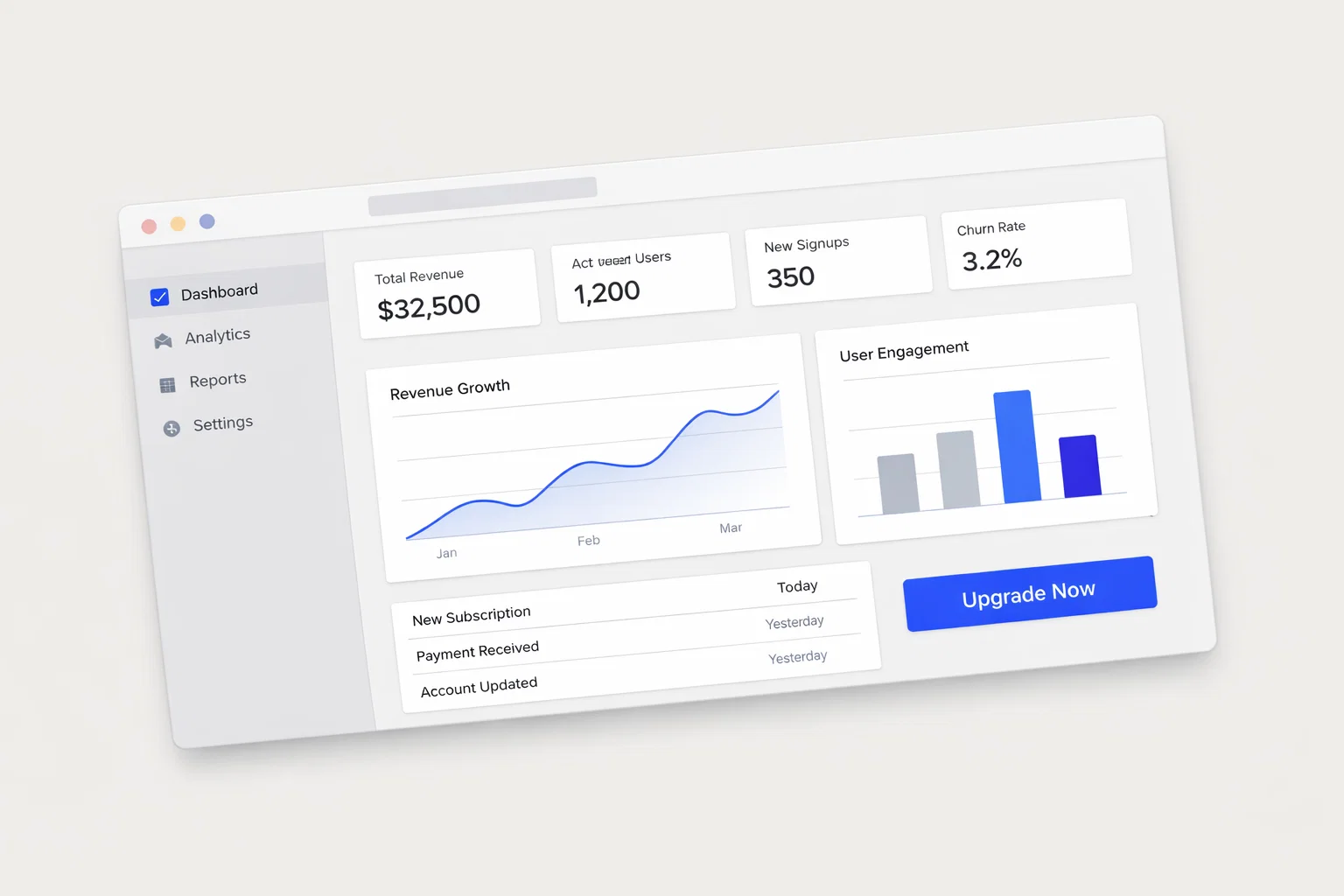
The mobile application (“app economy”) sector represents a structurally growing segment within global equities, driven by digital consumption, subscription models, and platform monetization. It sits at the intersection of technology, media, and consumer behavior.
Key Takeaways:
- Strong secular growth driven by smartphone penetration and digital ecosystems.
- Revenue models increasingly subscription-based, improving predictability.
- High scalability but significant competitive and regulatory risks.
- Sensitive to interest rates due to growth-oriented valuation profiles.
- Best suited for medium- to long-term investors with tolerance for volatility.
| Metric | Assessment | Comment |
| Expected Return | High | Driven by earnings growth and scalability |
| Volatility | High | Tech sector sensitivity and innovation cycles |
| Liquidity | High | Most companies publicly traded |
| Time Horizon | 5–10 years | Captures innovation cycles |
| Risk Level | Elevated | Regulatory + competitive disruption |
Understanding the Nature of the Mobile Application Industry
The app economy generates value through digital services delivered via mobile platforms. Revenue is derived from subscriptions, in-app purchases, advertising, and platform fees.
Economic Function:
- Monetization of user attention and engagement.
- Creation of digital ecosystems (e.g., marketplaces, SaaS, gaming).
- Data-driven personalization and advertising optimization.
Structural Characteristics:
- High operating leverage (low marginal cost).
- Network effects create winner-takes-most dynamics.
- Rapid innovation cycles and short product lifespans.
- Strong dependence on platform gatekeepers (e.g., app stores).
| Feature | Mobile Apps | Traditional Software |
| Distribution | App stores | Direct / enterprise |
| Monetization | Subscription + ads | License + subscription |
| Scalability | Very high | High |
| Entry Barrier | Low initially | Moderate |
| Competition | Intense | Moderate |
Macroeconomic Drivers Affecting the Mobile Application Industry
The sector is highly sensitive to macroeconomic shifts, particularly due to its growth-oriented valuation structure.
| Macro Factor | Impact Direction | Sensitivity Level |
| Interest Rates | Negative | High |
| Inflation | Mixed | Medium |
| GDP Growth | Positive | High |
| Currency Strength | Mixed | Medium |
| Regulatory Policy | Negative | High |
Key Insights:
- Interest Rate Normalization (2025–2026): Higher discount rates compress valuations of high-growth app companies.
- Inflation: Impacts consumer discretionary spending (gaming, subscriptions).
- Global Capital Flows: Tech-heavy indices attract institutional capital during growth cycles.
- Retail Participation: Increased retail flows amplify volatility in app-driven stocks.
- Regulation: Antitrust scrutiny on platform operators affects revenue-sharing models.
Market Structure of the Mobile Application Industry
The market operates as a hybrid of public equities and platform-controlled ecosystems.
Key Participants:
- Public app companies (gaming, SaaS, fintech apps)
- Platform providers (app stores)
- Institutional investors (hedge funds, asset managers)
- Retail investors
- Venture capital (early-stage pipeline)
Structural Elements:
- High market concentration among top platforms.
- Low entry barrier for developers, high barrier for scaling.
- Strong liquidity in listed equities.
- Regulatory oversight increasing globally.
| Structure Element | Characteristic |
| Market Type | Public equity + private innovation |
| Liquidity | High |
| Transparency | High (public firms) |
| Regulation | Increasing |
Investment Vehicles for Gaining Exposure to the Mobile Application Industry
Investors can access the sector through multiple instruments.
| Vehicle | Liquidity | Cost | Risk Level | Suitable For |
| Individual Stocks | High | Low | High | Active investors |
| ETFs (Tech-focused) | High | Low | Medium | Diversified exposure |
| Mutual Funds | Medium | Medium | Medium | Passive investors |
| Venture Capital | Low | High | Very High | Sophisticated investors |
| Options | High | Medium | Very High | Advanced traders |
Access Process:
- Select brokerage platform.
- Identify app-focused companies or ETFs.
- Analyze fundamentals and valuation.
- Allocate capital based on risk tolerance.
- Monitor performance and rebalance.
Fundamental Analysis Framework for Mobile Application Industry
A disciplined approach is essential due to high growth expectations embedded in valuations.
Key Valuation Metrics
| Metric | Purpose | Interpretation |
| Revenue Growth | Growth potential | >20% preferred |
| ARPU (Average Revenue per User) | Monetization efficiency | Increasing trend positive |
| CAC (Customer Acquisition Cost) | Cost efficiency | Lower is better |
| LTV (Lifetime Value) | Customer profitability | LTV > CAC critical |
| EBITDA Margin | Profitability | Expanding margins ideal |
Key Performance Indicators:
- Daily/Monthly Active Users (DAU/MAU)
- Retention rates
- Churn rate
- Subscription growth
- Engagement metrics
Technical and Quantitative Evaluation
Market timing and risk control benefit from quantitative tools.
| Indicator | Purpose | Signal |
| Moving Averages | Trend detection | Crossovers indicate momentum |
| RSI | Overbought/oversold | >70 overbought |
| Volatility (ATR) | Risk assessment | Higher = more risk |
| Beta | Market sensitivity | >1 indicates high volatility |
| Sharpe Ratio | Risk-adjusted return | Higher is better |
Execution Notes:
- Use trend confirmation before entry.
- Avoid chasing high-momentum spikes.
- Combine technical signals with fundamentals.
Risk Assessment in Mobile Application Industry
| Risk Type | Probability | Impact | Mitigation Strategy |
| Market Risk | High | High | Diversification |
| Competitive Risk | High | High | Focus on leaders |
| Regulatory Risk | Medium | High | Monitor policy changes |
| Liquidity Risk | Low | Medium | Invest in large caps |
| Operational Risk | Medium | Medium | Evaluate management |
Stress Testing Assumptions:
- Revenue slowdown scenarios
- Platform fee changes
- User growth stagnation
- Margin compression
Portfolio Allocation Strategy Including Mobile Application Industry
The sector is best positioned as a growth allocation within diversified portfolios.
| Portfolio Type | Allocation % | Role |
| Conservative | 5–10% | Growth enhancer |
| Balanced | 10–20% | Core growth |
| Aggressive | 20–35% | Primary driver |
Allocation Methodology:
- Define total equity exposure.
- Allocate portion to technology sector.
- Select app-focused companies within tech.
- Diversify across sub-sectors (gaming, SaaS, fintech).
- Rebalance quarterly or semi-annually.
Taxation and Legal Considerations
Key Considerations:
- Capital gains tax on equity appreciation.
- Dividend taxation (if applicable).
- Cross-border tax implications for global tech stocks.
- Reporting obligations for foreign holdings.
- Compliance with local financial regulations.
| Structure | Tax Treatment |
| Direct Stocks | Capital gains tax |
| ETFs | Depends on domicile |
| VC Investments | Complex, jurisdiction-specific |
ESG and Sustainability Considerations
| ESG Factor | Relevance | Risk Level |
| Data Privacy | High | High |
| Energy Usage | Medium | Medium |
| Governance | High | High |
| Social Impact | Medium | Medium |
Insights:
- Data security is a critical ESG risk.
- Regulatory scrutiny increasing on user privacy.
- Governance quality differentiates long-term winners.
Exit Strategy for Mobile Application Investments
Structured Exit Plan:
- Define target return (e.g., 20–30%).
- Set stop-loss (e.g., 10–15% downside).
- Monitor fundamental deterioration.
- Exit on valuation excess (multiple expansion).
- Use hedging (options) in volatile periods.
| Scenario | Action |
| Strong Growth | Hold / rebalance |
| Valuation Excess | Partial exit |
| Earnings Miss | Reassess |
| Market Downturn | Hedge or reduce |
Comparative Analysis: Mobile Application Industry vs Alternative Investments
| Asset Class | Return | Volatility | Liquidity | Risk |
| Mobile Apps | High | High | High | High |
| Bonds | Low | Low | High | Low |
| Real Estate | Medium | Medium | Low | Medium |
| Commodities | Variable | High | Medium | High |
| Private Equity | High | High | Low | High |
Strengths:
- High scalability
- Strong secular growth
- Innovation-driven returns
Weaknesses:
- High volatility
- Regulatory exposure
- Competitive pressure
Implementation Roadmap for Investing
- Define investment objective (growth vs income).
- Assess risk tolerance and time horizon.
- Conduct macroeconomic analysis.
- Identify app industry segments (gaming, SaaS, fintech).
- Screen companies using fundamental metrics.
- Select appropriate investment vehicle.
- Determine position size.
- Execute trades strategically.
- Monitor KPIs and macro trends.
- Rebalance portfolio periodically.
Appendix: Metrics, Ratios, and Analytical Tools
| Metric | Formula | Purpose |
| LTV/CAC | LTV ÷ CAC | Profitability |
| Revenue Growth | (Current – Prior) / Prior | Growth rate |
| EBITDA Margin | EBITDA / Revenue | Profitability |
| ARPU | Revenue / Users | Monetization |
Data Sources:
- Company financial statements
- Earnings reports
- Industry research firms
- Market data platforms
Frequently Asked Questions
Minimum Capital:
- Can start with small amounts via fractional shares or ETFs.
Time Horizon:
- Minimum 3–5 years; ideally 5–10 years.
Common Mistakes:
- Overpaying for growth.
- Ignoring unit economics.
- Lack of diversification.
Investor Suitability:
- Best for growth-oriented investors with moderate to high risk tolerance.
Risk Mitigation:
- Diversify across companies and sub-sectors.
- Use position sizing discipline.
- Monitor macroeconomic conditions closely.
Final Perspective
Investing in the mobile application industry requires more than identifying popular apps. It demands structured capital allocation, rigorous analysis of unit economics, and awareness of macroeconomic conditions.
In the current 2025–2026 environment—characterized by interest rate normalization, regulatory evolution, and shifting capital flows—discipline and adaptability are critical. Investors who combine fundamental rigor with risk management are best positioned to capture long-term value in this dynamic sector.